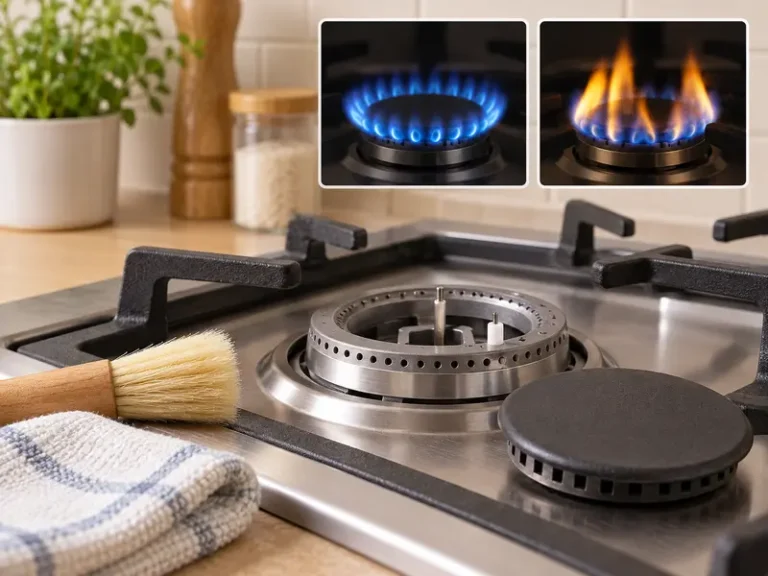


Kitchen Safety Checklist Before Bed: An End-of-Day Routine
Lifestyle · Kitchen Safety
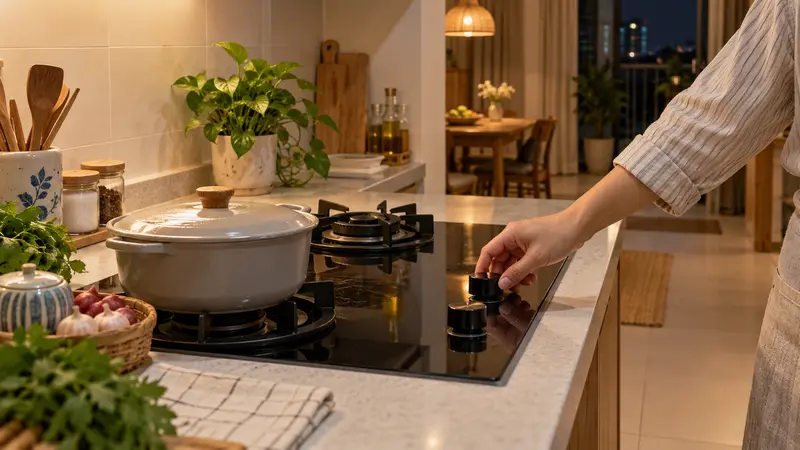
A kitchen safety checklist before bed is a quick routine for confirming that heat sources are off, gas and electrical equipment show no unusual signs, flammable items have been moved away, and walkways are clear. It helps reduce the chance of overlooking a hazard; it does not replace manufacturer instructions or professional assistance.
Why should you check the kitchen at the end of the day?
At the end of the day, many people move quickly from cooking to resting. A burner knob that has not returned to the correct position, a hot pan, a damaged power cord, or a towel left too close to a heat source can easily be overlooked without a consistent check.
Vietnam’s Fire Prevention, Firefighting and Rescue Police authorities note that gas-related incidents can involve appliances, hoses, connections, unattended cooking, or a flame going out while the gas valve remains open. An end-of-day check should therefore confirm the actual condition of the kitchen—not promise that it is “absolutely safe.”
This routine complements active supervision while cooking. Staying focused while a heat source is operating remains essential; the end-of-day checklist helps identify issues that may have been missed after cooking and cleaning.
Kitchen safety checklist before bed
Follow the same order each day so the check becomes an easy habit to remember. Use only visual checks and normal operating actions; do not dismantle or test equipment without the appropriate expertise.
| Check | What to confirm | If you notice a problem |
|---|---|---|
| Heat sources | Stove knobs, the oven, and cooking appliances are off according to their instructions; no food is still simmering, roasting, or reheating. | Do not touch a hot surface. Wait until it has cooled before cleaning or moving cookware. |
| Gas and accessories | There is no unusual gas smell; hoses, connections, and the cylinder position have not shifted or been struck. | If you suspect a leak, leave the hazardous area and follow the emergency guidance below; do not attempt a repair. |
| Electrical appliances | Cooking appliances are off; outlets, plugs, and cords show no scorching, cracks, unusual heat, or burning smell. | Stop using damaged equipment. Unplug it only when this can be done safely and in line with the manufacturer’s instructions. |
| Flammable items | Dish towels, paper, packaging, oil bottles, and plastic items are away from the stove; spilled oil and food residue have not been allowed to build up. | Move flammable items once the area has cooled; do not wipe close to a hot heat source. |
| Walkways and emergency readiness | The route out of the kitchen is not blocked by boxes, chairs, or other items; household members know how to leave if an incident occurs. | Remove obstacles and agree on who to contact for help instead of trying to handle a situation beyond your ability. |
How can you check for gas without creating another hazard?
For a gas stove, observe the smell, position, and visible condition of the equipment. Never use a match, lighter, or open flame to “test” for a leak. Do not remove a valve, replace a hose, or tighten a connection unless you have been properly instructed for that specific equipment.
Vietnam’s Fire Prevention, Firefighting and Rescue Police authorities recommend regularly checking the gas equipment for leaks. If equipment may be leaking, stop using it, contact the supplier or the relevant authority, and do not repair or replace parts yourself. The referenced guidance was published on July 28, 2022; always prioritize the latest instructions from the manufacturer and local authorities.
If you smell gas: move everyone away from the area first. Do not light a flame, turn electrical switches on or off, or use a phone in the suspected leak area. From a safe location, call 114 or contact the gas supplier or an appropriate technical service. Only operate the valve if you can do so immediately without entering the hazardous area.
Which electrical appliances should you check before bed?
The checklist does not mean unplugging every appliance in the kitchen. Refrigerators, monitoring equipment, and appliances that the manufacturer requires to remain powered should be handled according to their own instructions. The priority is to confirm that cooking appliances are off, outlets are not overloaded, and there are no unusual signs.
If an appliance has a burning smell, a cracked casing or cord, a discolored plug, unusual sounds, or repeatedly trips the circuit breaker, stop using it and ask a qualified person to inspect it. Do not keep using it simply because it still appears to work.
What should you consider in a small kitchen or camping kitchen?
In an apartment or rental room
Prioritize a clear walkway and enough room to work. Do not place paper, clothing, plastic bags, or temporary storage close to the stove. For gas cylinders, follow the equipment’s installation, ventilation, and usage instructions; do not store a cylinder in an enclosed space, an entrance, or a location where it can be hit or knocked over.
The article How to clear a safe zone around the kitchen before cooking focuses on preparing the space before you start. The before-bed checklist serves a different purpose: confirming the kitchen’s condition after cooking is finished.
When cooking outdoors
Before going to bed, turn off the stove, wait for the equipment to cool, and store it according to the instructions for that model and the rules of the campsite. Do not leave hot equipment, fuel, or flammable items where they could come into contact with a tent, sleeping person, or another heat source. If you are unsure whether the equipment has cooled or has been stored correctly, ask the campsite staff for help.

Which warning signs should you never try to handle yourself?
Stop using the equipment and seek appropriate assistance if you notice repeated gas smells, damaged hoses or connections, equipment that becomes unusually hot while idle, sparks, crackling sounds, a cracked casing, an abnormal flame, or a circuit breaker that trips repeatedly when an appliance is used.
Do not remove safety mechanisms, refill or transfer fuel into small gas canisters, make temporary electrical connections, or continue using equipment to “see whether the problem goes away.” These tasks require a qualified person and documentation specific to the equipment.
How to turn the checklist into an easy habit
- Choose a fixed time: after washing the dishes or before turning off the kitchen light.
- Follow one route every time: heat sources → gas → electricity → flammable items → walkways.
- Assign a clear person to perform the check; if that person is away, appoint a backup.
- Record signs that need repair instead of ignoring them or guessing at the cause.
- Review the instructions whenever you change an appliance, move the kitchen, or change your living space.
This is a simple risk-management habit, not an inspection or certification procedure. The goal is to reduce preventable oversights and help everyone recognize when to stop and seek assistance.
Peace of mind begins with clear, consistent actions. Cookmate develops content and kitchen equipment for different use contexts, from family kitchens and small apartments to outdoor activities. Explore Cookmate’s approach to safe and practical kitchen equipment or visit the Safety Education section before deciding on your next step.
Note: This content is for general educational purposes. It does not replace user manuals, technical advice, fire-safety regulations, or instructions from emergency responders. If there is an immediate danger, leave the area and call for help from a safe location.
Frequently asked questions
Do I need to unplug every appliance before going to bed?
No. Turn off or unplug cooking appliances according to the manufacturer’s instructions and check for unusual signs; do not disconnect equipment that is designed to remain powered.
What if the stove is off but I still smell gas?
Do not continue checking with a flame, and do not turn switches on or off in the suspected leak area. Move everyone to safety and call for help from outside the area.
Should I clean the stove immediately after cooking?
Clean it only after the surface has cooled and the action is consistent with the equipment’s instructions. While it is still hot, focus on turning off the source and keeping a safe distance.
Does this checklist replace maintenance?
No. The checklist only helps you make a basic end-of-day observation. Appliances, hoses, valves, and electrical systems still need inspection, maintenance, or replacement according to the instructions and actual conditions of use.
References
- Vietnam’s Fire Prevention, Firefighting and Rescue Police authorities — Fire-safety measures for household gas use (published July 28, 2022).
- U.S. Fire Administration — Cooking Fire Safety (page reviewed May 4, 2023; international supporting source).
- NFPA — Safety with cooking equipment (international supporting source on staying alert while cooking and preventing fires).
Sources and links were checked on September 9, 2026. Regulations, technical guidance, and equipment conditions may change; review the original materials before applying them.