

Why You Should Never Look Away While Cooking
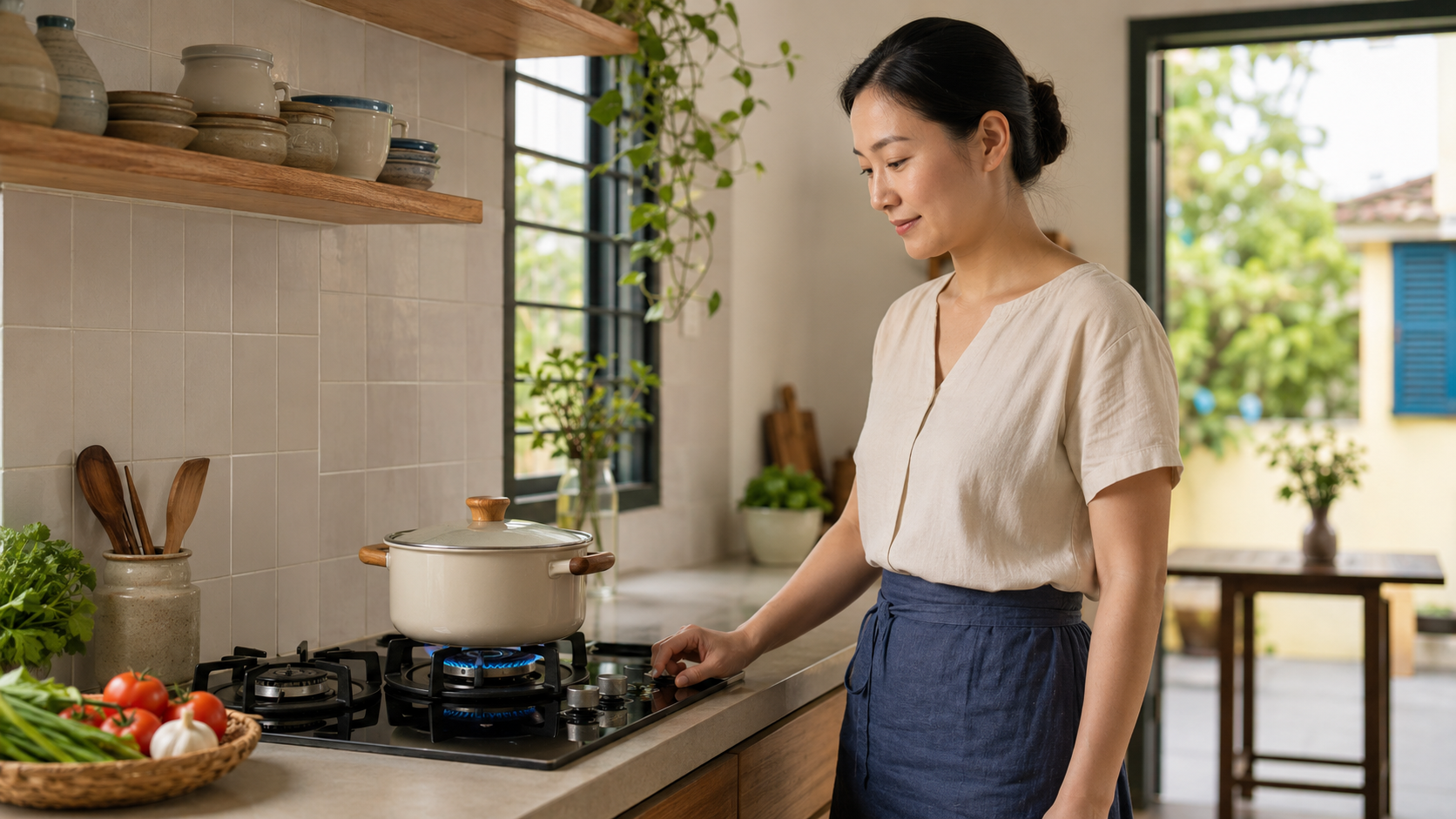
The short answer: You should not look away while cooking because heat, oil, overflowing food or an unexpected action can change the situation very quickly. A safer approach is to stay within sight of the stove, adjust the heat appropriately and turn off the heat source before leaving the kitchen.
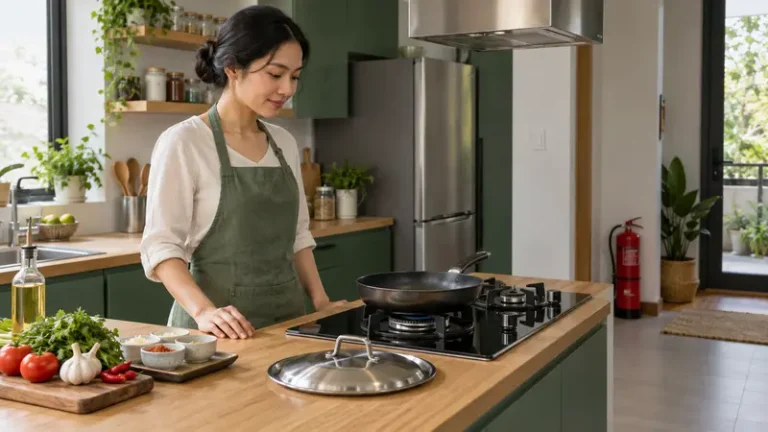
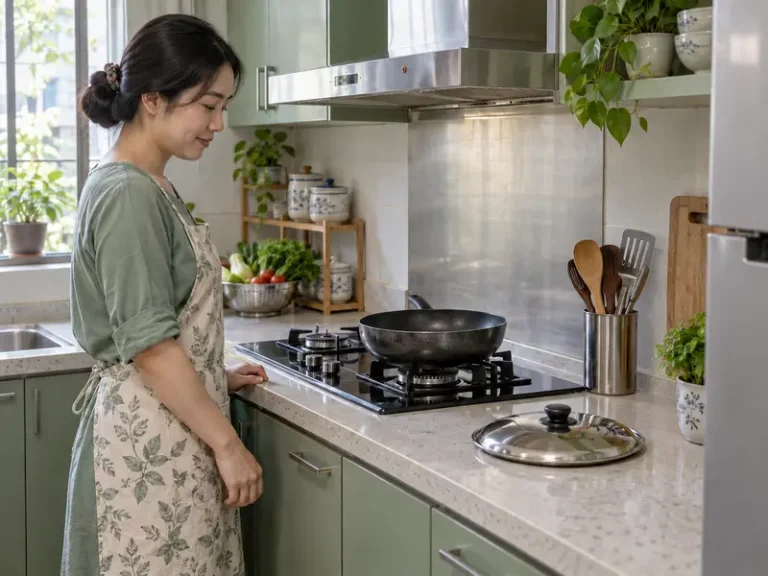
In a busy daily routine, cooking while answering a phone call, looking after a child or walking into another room can easily become a habit. The point is not that the cook must stand still beside the stove every second. The important thing is never to leave an active heat source without anyone watching it.
Why can “looking away for a moment” still create a risk?
When a stove is on, the condition of the food can change depending on the heat level, the type of oil, the amount of water and the cookware being used. A pot may boil over; oil may begin to smoke; a pan handle may be knocked; or food may fall onto a hot surface. These signs need to be noticed early so the cook can reduce the heat or stop cooking in a safe manner.
The U.S. Consumer Product Safety Commission (CPSC) recommends staying in the kitchen and keeping an eye on food while cooking. The U.S. Fire Administration (USFA) also reminds people to turn off the burner if they leave the kitchen. Cookmate references these U.S. fire-safety education guidelines for everyday habits; they are not technical regulations for every kitchen in Vietnam.
4 principles for keeping an active stove from being forgotten
- Stay within a clear viewing area. You do not have to stare at the food continuously, but stay close enough to notice smoke, unusual smells, vigorous boiling or food spilling over.
- Adjust the heat to suit the food. Do not use a higher heat level than necessary just to shorten cooking time. If you see smoke or the oil begins to heat excessively, reduce or turn off the heat when it can be done safely.
- Keep the area around the stove clear. Towels, paper, packaging, curtains and other flammable items should be kept away from hot surfaces. Turn pot and pan handles inward to reduce the risk of being knocked.
- Prepare for anything that may distract you. Put your phone somewhere that does not require you to leave the stove, prepare ingredients within reach and use a timer as an additional reminder. A timer does not replace active observation.
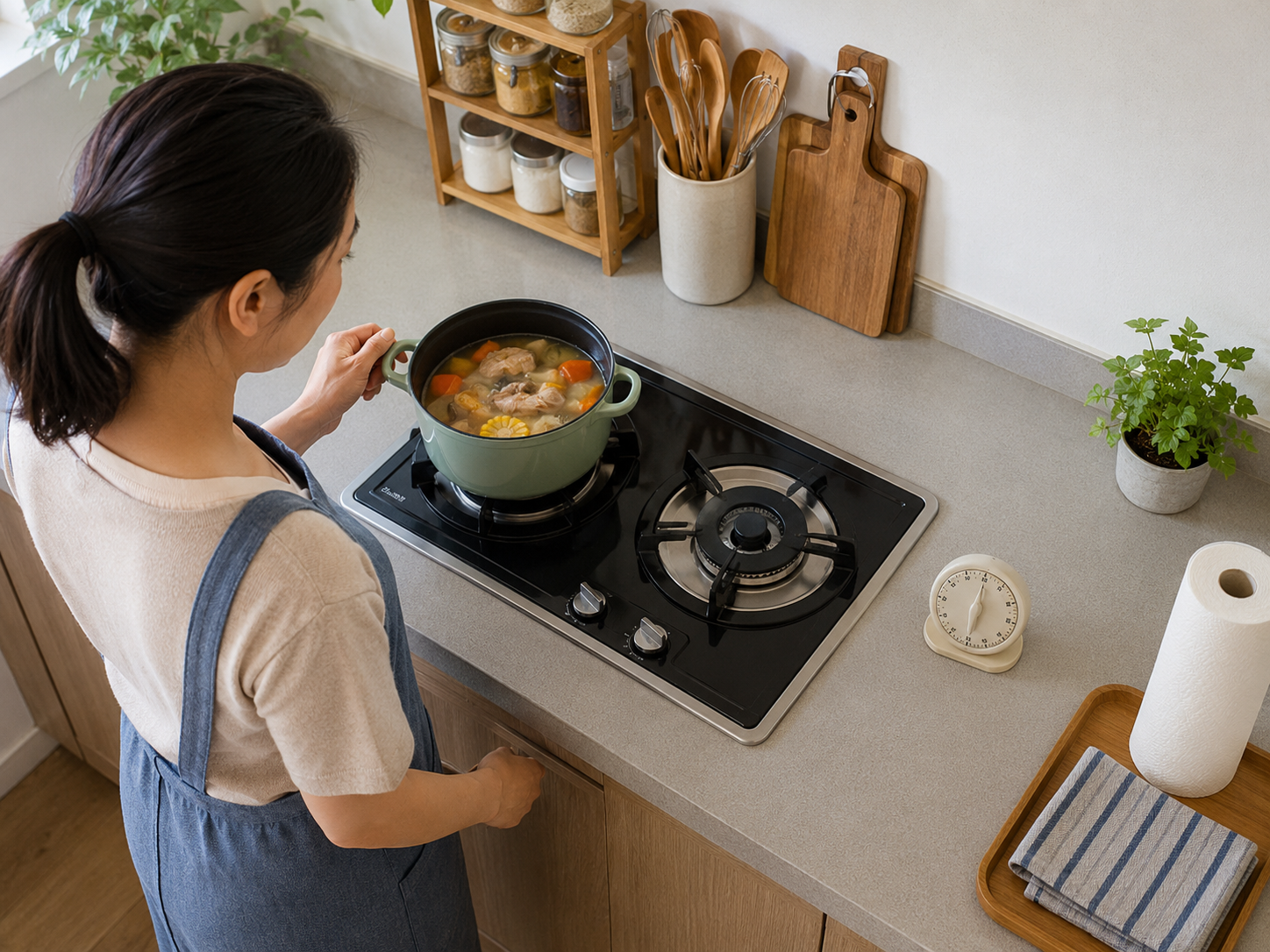
What should you do if you must leave the kitchen?
Turn off the stove or heat source before leaving, even if you expect to be away for only a moment. If someone else will continue cooking, clearly state who is responsible for watching the stove so that nobody assumes someone else is paying attention. When you return, check the pot, pan and surrounding area before turning the stove on again.
For gas stoves, electric stoves and induction cookers, follow the operating and shutdown instructions for the specific appliance. Do not disable safety mechanisms, attempt repairs without the necessary expertise or treat one safety feature as a substitute for attentive cooking.
Signs that you should stop cooking and check the situation
- Smoke appears even though the recipe has not reached a stage that requires smoking or searing.
- Oil or fat is bubbling aggressively, changing unexpectedly or showing signs of overheating.
- Food spills onto the stove, extinguishes a gas flame or blocks the controls.
- You notice a gas smell, a burning smell, a hissing sound or another unusual appliance warning sign.
- The pot, pan, hose, cord or control knob appears unstable or damaged.
If you smell gas or see signs of fire, stop cooking and do not attempt to handle the situation if you are unsure what to do. Move away from the danger area, avoid creating additional sparks and contact the appropriate emergency service or local support according to local guidance.
If a pan shows signs of fire, do not react on impulse
For a small grease fire in a pan, the CPSC recommends sliding a lid over the flames if this can be done safely, turning off the heat and leaving the lid in place until the pan has cooled. Do not carry the pan elsewhere and do not pour water or flour onto the fire. If the fire is spreading, producing heavy smoke or cannot be handled safely, leave the area, close the door if possible and call the fire service.
A 30-second checklist before looking away
- Am I leaving the area while the heat source is still on?
- Is the current heat level suitable for the food?
- Have towels, paper, packaging and other flammable items been moved away from the stove?
- Are the pot and pan handles turned inward and clear of anything that could knock them?
- If I need to leave, have I turned off the stove or clearly handed over responsibility to someone else?
Peace of mind starts with being present at the right time
Staying focused while cooking is not a complicated ritual. It is a practical way to remain close to the heat source, notice changes early and make calmer decisions. Cookmate pursues the promise of Peace of mind for every Vietnamese kitchen through practical, easy-to-apply safety guidance while reminding users to follow the instructions for their specific appliance.
You can explore more Cookmate safety education articles, read about common fire sources around the kitchen or learn more about Cookmate before choosing and using suitable kitchen equipment.
References
- U.S. Consumer Product Safety Commission — Recipe for Safer Cooking.
- U.S. Fire Administration — Cooking Fire Safety.
- Vietnam Fire Prevention, Firefighting and Rescue Police Department — Safe use of gas in households.
Note: This content is provided for education and practical guidance. It does not replace the manufacturer’s instructions, professional technical advice or local emergency guidance. No appliance or habit can guarantee the elimination of every risk.